Electropolishing stainless steel is a specialized surface finishing process that supports stainless steel cleanliness, smoothness, sanitary performance, and surface quality. For facilities that depend on stainless steel piping, fittings, tanks, vessels, and process components, the quality of the metal surface can directly affect contamination control, cleanability, system reliability, and long-term performance.
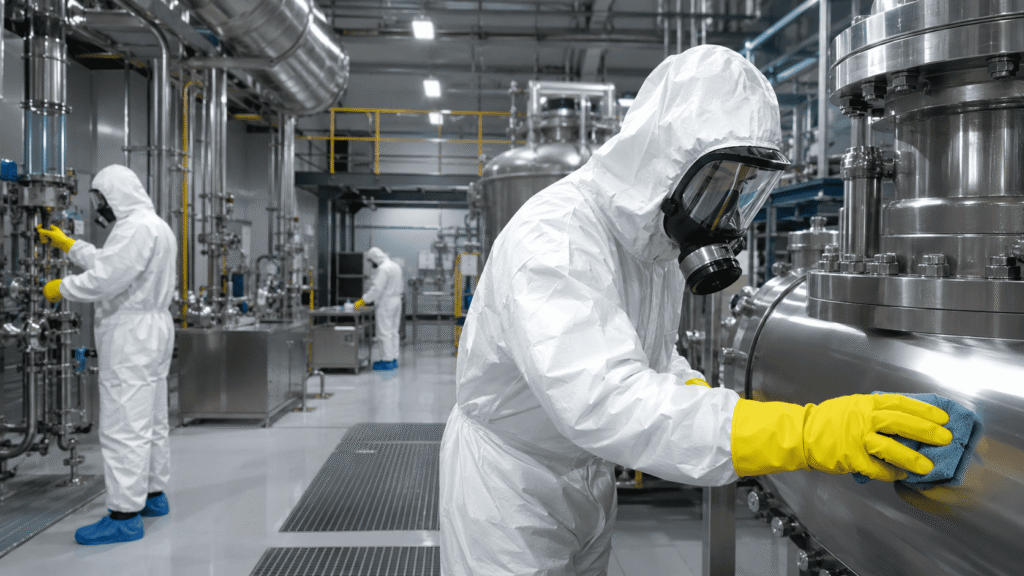
At BCS BioClean, we provide professional electropolishing services for high-purity and precision cleaning applications. Based in Oakville, Ontario, BCS BioClean supports pharmaceutical, biotechnology, food and beverage, semiconductor, cleanroom, and high-purity water system environments across North America. With more than 30 years of experience and ISO 9001:2015 quality management, our team brings technical knowledge and documented processes to demanding stainless steel treatment projects.
What is electropolishing stainless steel?
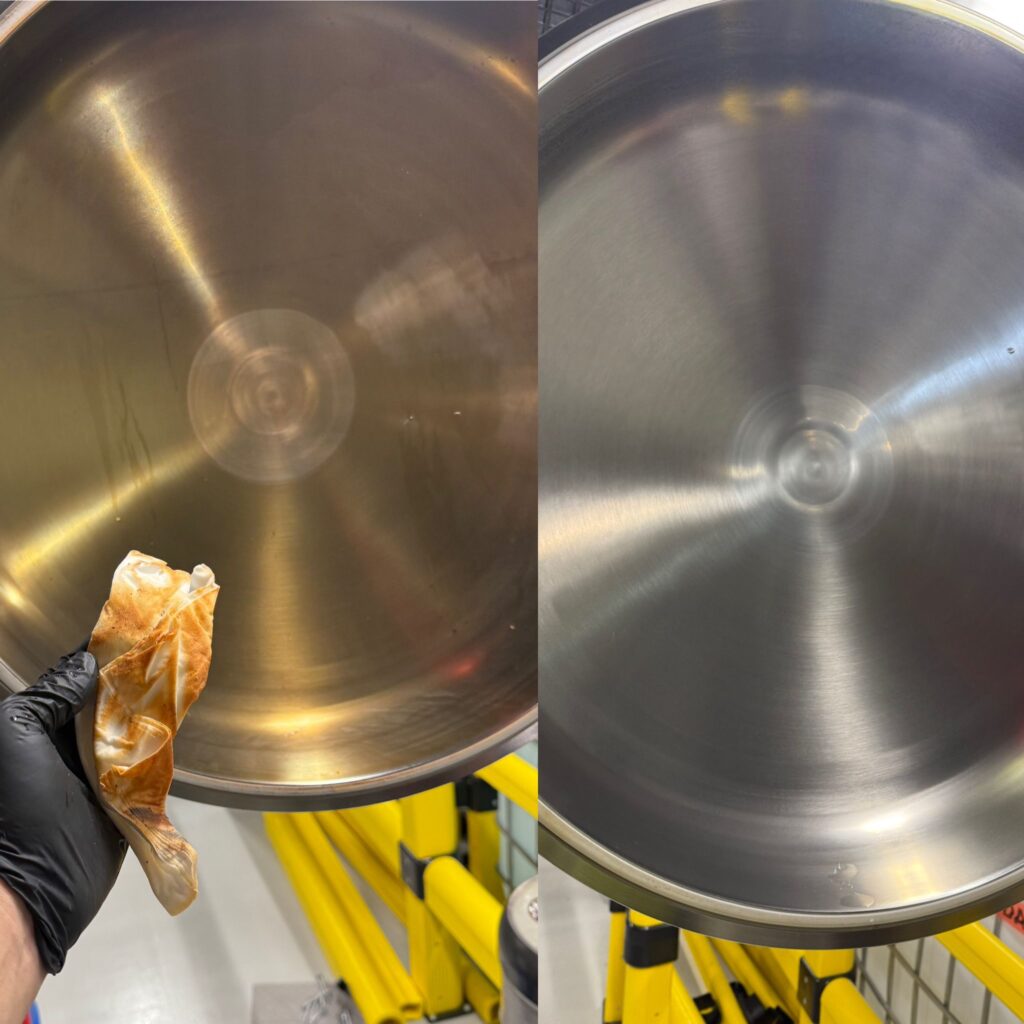
Electropolishing stainless steel is an electrochemical finishing process that removes a thin, controlled layer from the stainless steel surface. This process helps reduce surface roughness, remove microscopic imperfections, eliminate embedded contaminants, and create a cleaner, smoother surface.
In simple terms, it supports the surface condition by making stainless steel easier to clean, less likely to trap contaminants, and better suited for sanitary or high-purity environments. Unlike mechanical polishing, which can smear, scratch, or stress the metal, electropolishing works at a microscopic level to create a more uniform and refined surface.
For critical industries, this is important because small surface defects can become areas where residue, particles, biofilm, or corrosion may develop. A smoother stainless steel surface can help reduce these risks and support stronger operational performance.
Electropolishing stainless steel is not just a cosmetic finishing process. It is a technical surface treatment that supports cleanability, contamination control, sanitary performance, and overall surface quality in high-purity systems. For regulated industries, it can also support quality documentation, audit readiness, and long-term system reliability.
How does electropolishing stainless steel work?
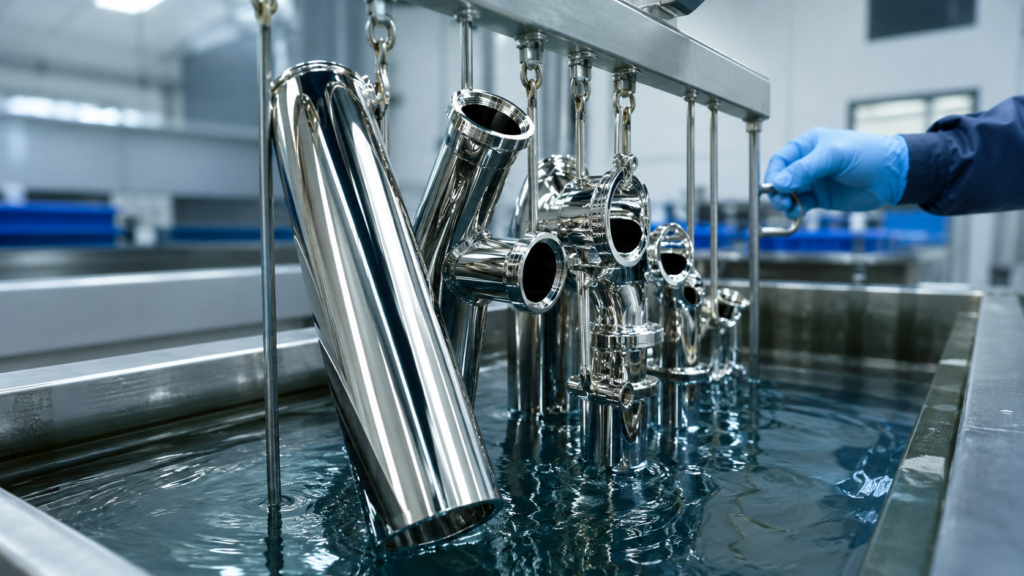
The process involves placing stainless steel components into an electrolyte solution and applying an electrical current. During the process, microscopic peaks on the metal surface dissolve faster than lower areas, creating a smoother and more uniform finish.
This controlled removal of surface material helps reduce roughness, remove burrs, eliminate contaminants, and improve the overall surface condition. The result is a cleaner and brighter stainless steel surface that is easier to rinse, clean, sanitize, and maintain.
Electropolishing can be used for different stainless steel components, including:
- Stainless steel piping
- Sanitary fittings
- Tanks and vessels
- Pump components
- Springs, nuts, and bolts
- Process equipment
- Cleanroom components
- High-purity water system parts
- Pharmaceutical and biotech system components
Why is electropolishing stainless steel important?
Electropolishing stainless steel is important because stainless steel performance depends heavily on surface condition. Even high-quality stainless steel can develop surface imperfections after fabrication, welding, machining, handling, or installation.
These imperfections can affect how the surface performs in demanding environments. Rough areas may trap residue or particles. Embedded contaminants may affect surface performance. Weld discoloration or oxides may affect surface stability. In high-purity systems, these risks can impact cleanliness, maintenance, and process confidence.
By improving the surface finish, electropolishing helps create a more reliable surface for industries where cleanliness, corrosion resistance, and contamination control are essential.
What are the main benefits of electropolishing stainless steel?
Improved surface smoothness
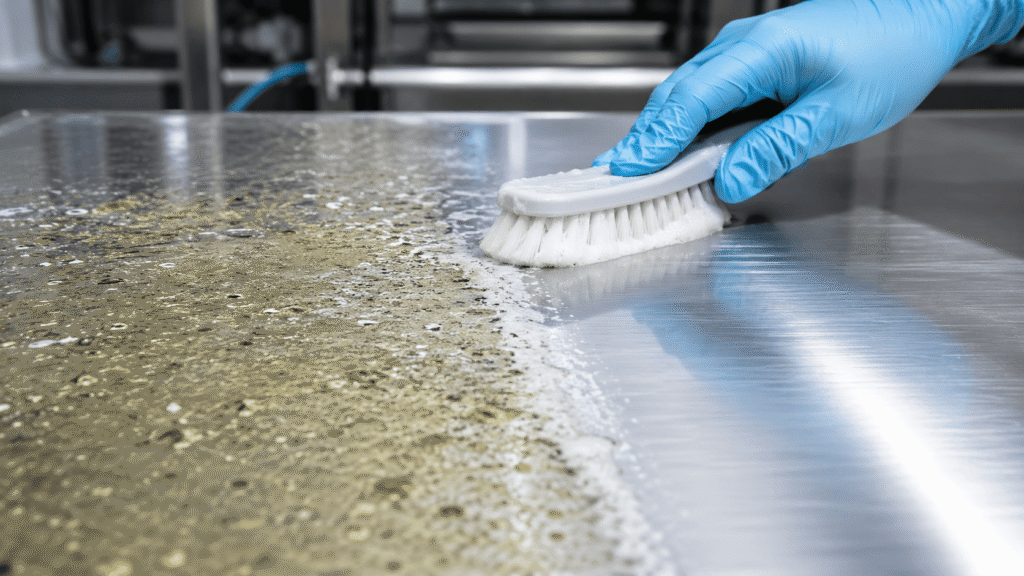
One of the main benefits is improved surface smoothness. A smoother surface is easier to clean and less likely to trap contaminants, residue, or microorganisms.
Support for corrosion resistance
Electropolishing helps remove surface contaminants and creates a cleaner stainless steel surface. This can support corrosion resistance, especially when the process is combined with proper passivation.
Enhanced cleanability
Cleanability is critical in pharmaceutical, biotech, food-grade, cleanroom, and high-purity applications. Electropolishing helps create a surface that is easier to rinse, sanitize, and maintain.
Reduced contamination risk
Microscopic roughness, burrs, embedded iron, and surface defects can increase contamination risk. Electropolishing helps reduce these issues by refining the stainless steel surface.
Improved sanitary performance
Sanitary applications require surfaces that support cleanliness and process control. Electropolishing helps improve surface conditions for systems where hygiene and precision matter.
Stronger long-term performance
A smoother and cleaner stainless steel surface can help support longer equipment life, improved reliability, and more consistent system performance.
Electropolishing vs. passivation: what is the difference?
Electropolishing stainless steel and passivation are both used to support stainless steel surface performance, but they are different processes.
Process | Main purpose | Surface impact | Best used for |
Electropolishing | Smooths, polishes, and cleans the surface | Removes a thin layer of stainless steel and reduces roughness | High-purity systems, sanitary parts, fittings, piping, and precision components |
Passivation | Improves corrosion resistance | Removes free iron and supports the passive oxide layer | Stainless steel systems after fabrication, welding, cleaning, or maintenance |
In many cases, both services can work together. Electropolishing can improve surface smoothness and cleanliness, while passivation helps support the protective passive layer that contributes to corrosion resistance.
Which industries need electropolishing stainless steel?
Electropolishing stainless steel is commonly used in industries where surface quality, cleanliness, and corrosion resistance are critical.
Pharmaceutical manufacturing
Pharmaceutical facilities rely on stainless steel piping, tanks, valves, and process equipment. Electropolishing can support cleanability, contamination control, and audit readiness in regulated production environments.
Biotechnology
Biotech systems require reliable stainless steel surfaces that can support high-purity processing. Electropolishing helps improve surface conditions for sensitive applications.
Food and beverage processing
Food-grade stainless steel components must be easy to clean and resistant to residue buildup. Electropolishing can help improve sanitary performance and reduce contamination risks.
Semiconductor manufacturing
Semiconductor environments demand precision and contamination control. Electropolishing can help create cleaner surfaces for sensitive manufacturing systems.
Cleanroom operations
Cleanrooms require strict contamination management. Stainless steel parts used in these spaces can benefit from smoother, easier-to-clean surfaces.
High-purity water systems
DI, RO, PW, WFI, and pure steam systems depend on stainless steel surfaces that support cleanliness, corrosion resistance, and system integrity.
What are the common applications of electropolishing stainless steel?
Electropolishing stainless steel can be used in many critical applications where surface cleanliness and reliability matter. Common applications include stainless steel piping, sanitary fittings, tanks, vessels, valves, pumps, process skids, cleanroom equipment, pharmaceutical components, biotech systems, food-grade processing parts, and high-purity water system components.
This process is especially valuable when equipment must meet strict cleanliness expectations or when the stainless steel surface must be prepared for sanitary, regulated, or high-purity use.
When should your facility consider electropolishing stainless steel?
Your facility should consider electropolishing stainless steel when the surface condition of stainless steel components may affect cleanability, corrosion resistance, or contamination control.
This service may be useful:
- After fabrication or machining
- After welding or surface preparation
- Before installing components in a high-purity system
- When stainless steel parts need a smoother finish
- When contamination control is a priority
- When equipment is used in sanitary or regulated environments
- When corrosion resistance needs to be supported
- When surface documentation is needed for quality or audit purposes
For pharmaceutical, biotechnology, food and beverage, semiconductor, cleanroom, and high-purity water applications, electropolishing can be a strategic part of system preparation and maintenance.
Why choose BCS BioClean for electropolishing stainless steel?
Choosing the right provider for electropolishing stainless steel is important because the process must be controlled, documented, and aligned with the needs of the facility. BCS BioClean brings technical knowledge, high-purity cleaning experience, and quality-focused procedures to demanding industrial environments.
BCS BioClean understands the importance of stainless steel surface preparation, contamination control, inspection, documentation, and regulatory confidence. Our team supports facilities that require dependable surface treatment for critical systems and precision components.
In addition to electropolishing stainless steel, BCS BioClean provides related services such as high-purity cleaning, passivation, clean for oxygen services, pickling and passivation, sanitization and biofilm removal, derouging, inspection services, descaling, and clean room cleaning.
How does electropolishing stainless steel support compliance readiness?
For regulated industries, surface treatment is not only about performance. It is also about documentation, traceability, and quality confidence. Facilities often need service records that demonstrate proper procedures, controlled processes, and reliable surface preparation.
Electropolishing stainless steel can support compliance readiness by improving surface quality and helping facilities maintain better control over stainless steel systems used in critical environments. When combined with inspection, reporting, and quality documentation, the process can support internal quality systems, audits, and validation-focused operations.
BCS BioClean can provide documentation based on project requirements, including quality control reports, inspection records, service documentation, and surface treatment details.
FAQ about electropolishing stainless steel
What is electropolishing stainless steel?
Electropolishing stainless steel is an electrochemical process that removes a thin surface layer from stainless steel to improve smoothness, cleanliness, and contamination control.
How is electropolishing stainless steel different from mechanical polishing?
Electropolishing stainless steel works at a microscopic level by removing a controlled layer from the surface, while mechanical polishing uses abrasives that may smear, scratch, or stress the metal.
Does electropolishing stainless steel support corrosion resistance?
Yes. Electropolishing stainless steel can help support corrosion resistance by removing surface contaminants and creating a cleaner, smoother surface. It is often combined with passivation to support the protective passive oxide layer.
What stainless steel parts can be electropolished?
Common parts include stainless steel piping, sanitary fittings, tanks, vessels, valves, pumps, springs, nuts, bolts, process components, cleanroom parts, and high-purity water system components.
What industries use electropolishing stainless steel?
Electropolishing stainless steel is used in pharmaceutical, biotechnology, food and beverage, semiconductor, cleanroom, medical, aerospace, and high-purity water treatment environments.
Should electropolishing stainless steel be combined with passivation?
In many cases, yes. Electropolishing can smooth and refine the stainless steel surface, while passivation helps support the protective passive oxide layer and improve corrosion resistance.
Contact BCS BioClean
If your facility needs professional electropolishing stainless steel services for high-purity, sanitary, or regulated applications, BCS BioClean can help. Our team provides stainless steel surface treatment solutions designed to support cleanliness, corrosion resistance, system performance, and regulatory confidence.
Contact BCS BioClean today to discuss your stainless steel components, piping, fittings, process equipment, or high-purity system requirements.
Call: 1-888-CALL-BCS
Email: info@bcsbioclean.ca
Location: 735 Weller Ct, Oakville, ON L6K 3S9, Canada