Canada is entering a major new phase of nuclear energy development. With Bruce Power’s Bruce C Project, the Darlington New Nuclear Project, and the construction of small modular reactors, the country is preparing for long-term growth in clean electricity, advanced manufacturing, and nuclear supply chain capacity.
For companies involved in fabrication, system preparation, commissioning, maintenance, and component manufacturing, this expansion creates a growing need for nuclear component cleaning services in Canada. Nuclear-related systems require more than standard industrial cleaning. They often need high-purity cleaning, stainless steel passivation, precision cleaning, inspection, documentation, and controlled processes that support quality, cleanliness, and long-term reliability.
BCS BioClean can support this growing demand through high-purity cleaning, passivation, pickling and passivation, oxygen service cleaning, borescope inspection, derouging, descaling, electropolishing, and preventative maintenance programs for critical stainless steel systems and precision components.
Key takeaway
Canada’s investment in Bruce C, Darlington, and SMR development is creating new opportunities across the nuclear supply chain. BCS BioClean can support suppliers, manufacturers, contractors, and operators with nuclear component cleaning services in Canada, including high-purity cleaning, precision cleaning, passivation, inspection, and documentation for stainless steel systems and critical components.
Why Canada’s nuclear expansion matters
Canada’s nuclear sector is receiving renewed attention because nuclear power can support reliable, low-carbon electricity while helping meet growing energy demand. In Ontario, several major projects are shaping this future.
Bruce Power’s Bruce C Project is being advanced through a federal Impact Assessment process and aims to create an option to build up to 4,800 megawatts of nuclear capacity at the Bruce Power site in Kincardine, Ontario.
The Darlington New Nuclear Project is also moving forward at the existing Darlington site in Clarington. The Canadian Nuclear Safety Commission states that the project includes site preparation, construction, and operation of up to four new nuclear reactors, with one unit currently under construction.
Small modular reactors are a major part of this expansion. Canada Growth Fund and Building Ontario Fund announced commitments of up to $2 billion and $1 billion, respectively, for the Darlington SMR project. When complete, the four grid-scale commercial SMRs are expected to deliver up to 1,200 MW of electricity.
This growth is not only about power generation. It also strengthens the broader nuclear supply chain, including manufacturers, fabricators, precision cleaning providers, inspection specialists, stainless steel system contractors, and maintenance partners.
How can nuclear component cleaning services support Canada’s nuclear expansion?
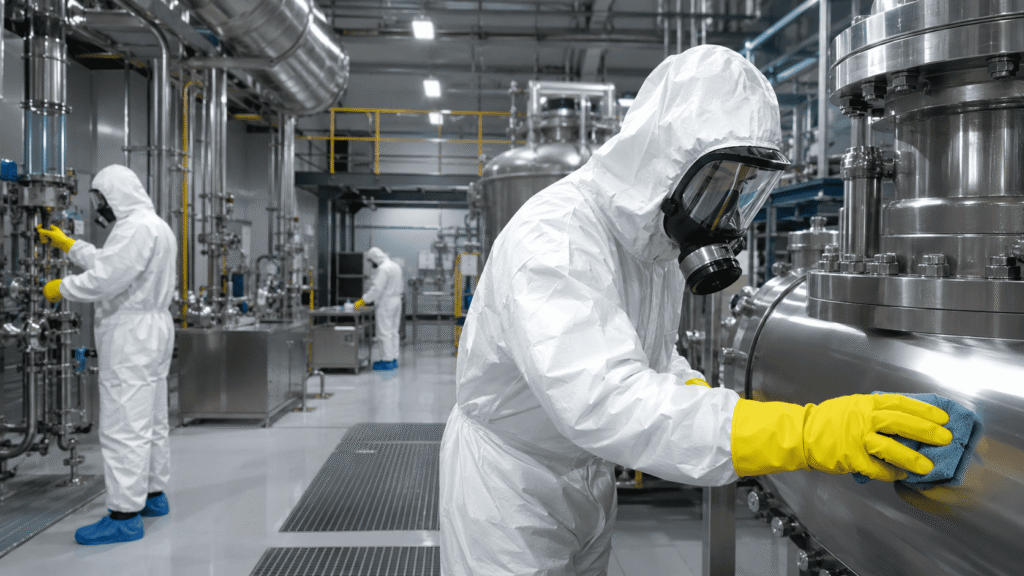
Nuclear component cleaning services in Canada can support nuclear expansion by helping suppliers and project teams prepare stainless steel systems, manufactured components, piping, vessels, fittings, oxygen-service parts, and critical assemblies for installation, commissioning, or maintenance.
In nuclear-related environments, contamination control is essential. Residues, oils, greases, particles, free iron, heat tint, corrosion products, or surface imperfections can affect cleanliness, corrosion resistance, inspection results, and long-term system performance.
That is why nuclear-related components may require specialized services such as:
- High-purity cleaning
- Precision cleaning
- Stainless steel passivation
- Pickling and passivation
- Clean for oxygen services
- Borescope inspection
- Derouging and descaling
- Electropolishing
- Preventative maintenance documentation
BCS BioClean is directly aligned with this need. The company identifies itself as Canada’s leader in high-purity and precision cleaning services and lists capabilities such as ISO 9001:2015 quality management, CSA N299.3-16 compliant nuclear component high-purity cleaning, process piping passivation, borescope inspection services, rouge assessment, derouging, descaling, and clean room cleaning.
Why surface cleanliness matters in nuclear projects
Nuclear projects involve demanding quality, safety, and performance expectations. Components and systems used in nuclear-related applications often need to be cleaned and documented before they are installed, validated, commissioned, or returned to service.
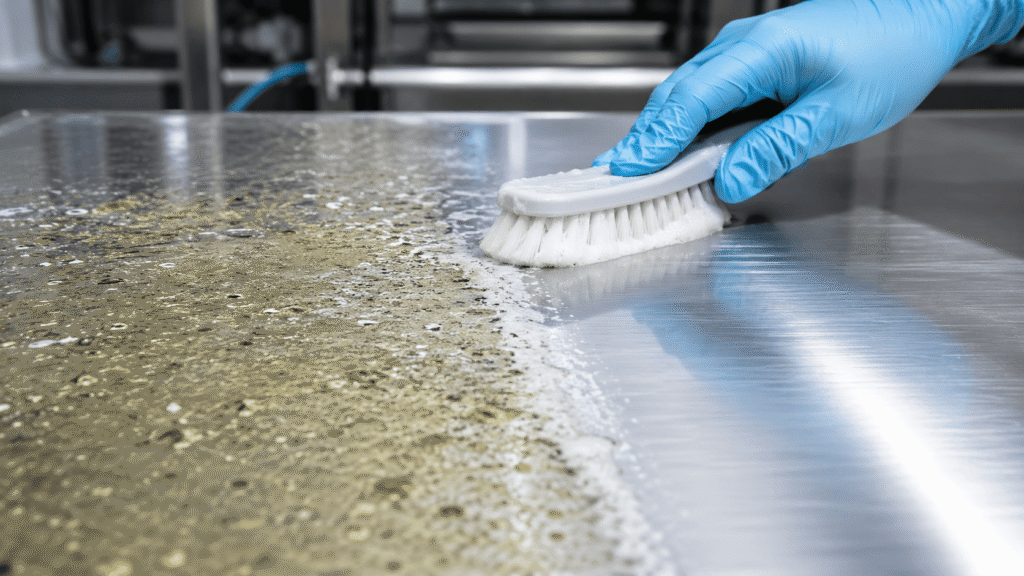
Surface cleanliness matters because contaminants can interfere with system performance. For stainless steel, surface condition is especially important because corrosion resistance depends on a clean, stable passive layer. If fabrication residues, free iron, heat tint, oxides, or embedded contaminants remain on the surface, the stainless steel may be more vulnerable to corrosion or cleanliness issues.
This is where high-purity cleaning and passivation become important. BCS BioClean’s passivation service is designed to enhance corrosion resistance by creating a protective outer layer and removing surface contaminants. The company also provides Certificates of Compliance, validated procedures, Ferroxyl testing, and borescope inspection reports as part of its passivation process.
For nuclear suppliers, this level of documentation can support quality assurance, supplier confidence, project records, and commissioning readiness.
How BCS BioClean can support nuclear component cleaning in Canada
BCS BioClean can support Canada’s nuclear growth by providing specialized services for stainless steel systems, manufactured components, and high-purity industrial environments. These services can help suppliers and contractors prepare components before installation, restore systems during maintenance, or document cleaning work for regulated project requirements.
High-purity and precision cleaning
High-purity cleaning helps remove oils, greases, residues, particles, and other contaminants from components and systems that require controlled cleanliness. For nuclear-related suppliers, this may apply to precision assemblies, stainless steel components, process piping, fabricated parts, and equipment that must be prepared before installation or delivery.
BCS BioClean’s positioning in high-purity and precision cleaning makes this service especially relevant to nuclear component preparation, where standard cleaning methods may not provide the level of control or documentation required.
Stainless steel passivation
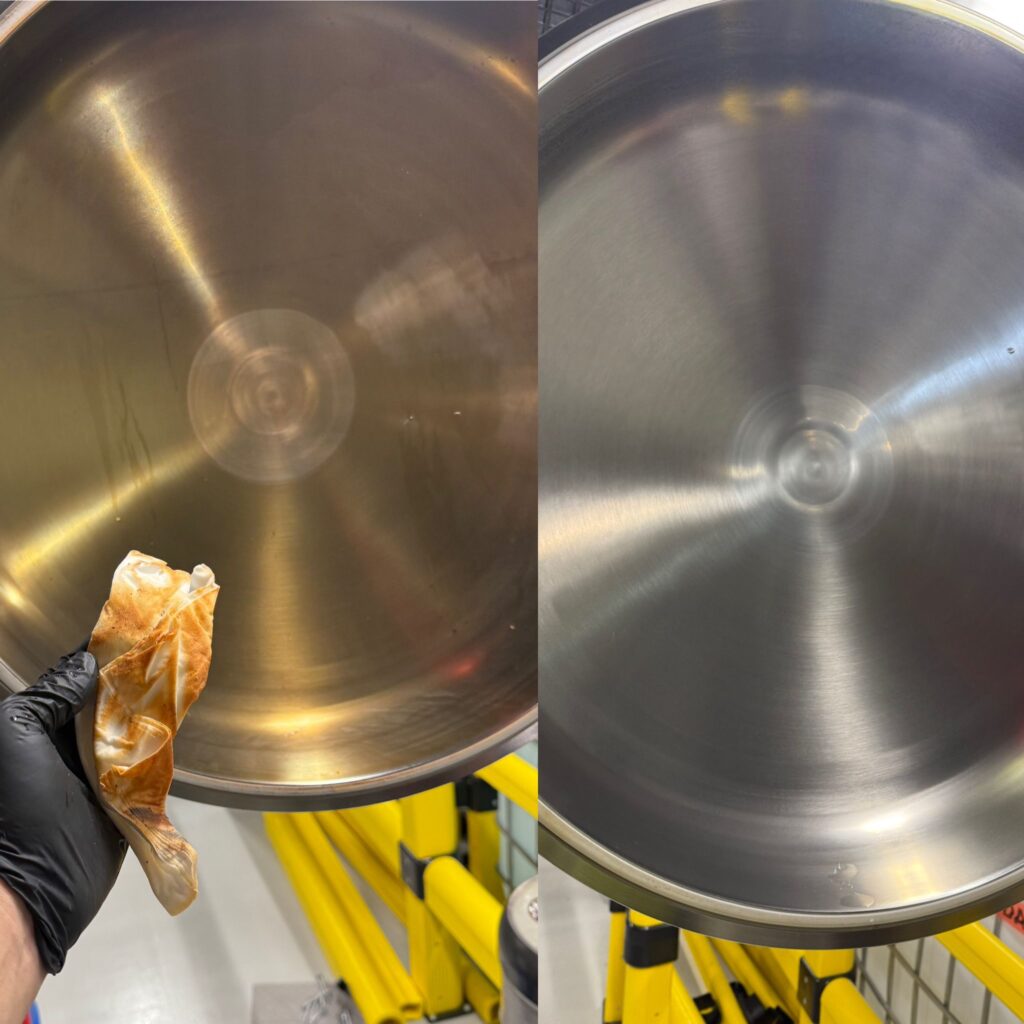
Passivation is one of the most important services for stainless steel components used in critical applications. It helps remove free iron and supports the formation of a protective oxide layer that improves corrosion resistance.
BCS BioClean provides passivation for stainless steel piping, tanks, equipment, and systems using its BIOPASS® line of formulations. The company also supports projects with validation reports, Certificates of Compliance, Ferroxyl testing, and borescope inspection reports.
For nuclear-related projects, passivation can support newly fabricated stainless steel systems, precision components, process piping, and equipment that must maintain surface integrity over time.
Pickling & Passivation after welding or fabrication
Welding and heat exposure can create heat tint, scale, and chromium-depleted areas on stainless steel. If these areas are not properly treated, the corrosion resistance of the surface can be reduced.
BCS BioClean’s pickling and passivation service is suitable for stainless steel tanks and vessels, welded piping and tubing systems, heat exchangers, clean steam and gas distribution lines, product contact surfaces, machine parts, and components.
This makes pickling and passivation valuable for fabricators and contractors preparing stainless steel assemblies for demanding industrial or nuclear-related applications.
Clean for oxygen services
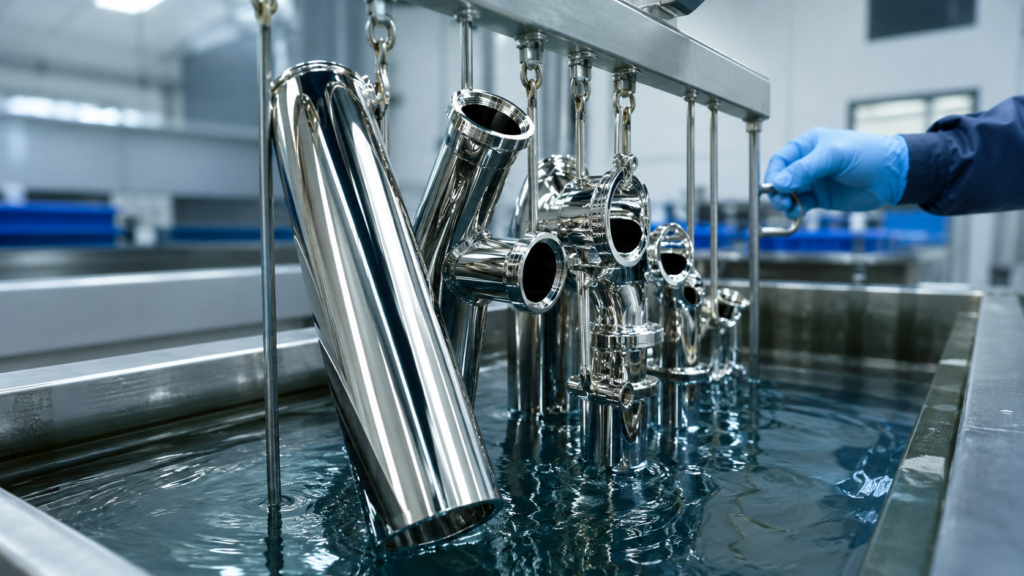
Some nuclear-related suppliers may work with oxygen-service components or systems where contaminant removal is critical. Oxygen service cleaning removes oils, greases, fibers, particulates, and other residues from parts that may come into contact with high-purity or high-pressure oxygen.
BCS BioClean states that its oxygen precision cleaning processes comply with major standards. The company also uses ultrasonic and recirculating wash baths, high-purity detergents, and deionized water as part of its cleaning workflow.
This service can help support components that require strict cleanliness, controlled handling, and specialized packaging.
Inspection and preventative maintenance
Inspection is essential for identifying corrosion, rouge, scale, surface contamination, residue, or internal system issues before they become larger problems. Borescope inspection is especially useful because it allows internal surfaces and hard-to-reach areas to be evaluated without major disassembly.
BCS BioClean provides flexible and rigid video borescope inspections, detailed inspection reports, surface corrosion assessments, and practical recommendations through its preventative maintenance program.
For nuclear-related suppliers and facilities, inspection documentation can help support maintenance planning, quality records, corrective action, and system readiness.
Electropolishing for smoother stainless steel surfaces
Electropolishing can improve stainless steel surfaces by smoothing, polishing, and cleaning metal through controlled material removal. BCS BioClean explains that electropolishing can reduce surface imperfections, improve corrosion resistance, and make surfaces easier to clean.
For precision stainless steel components, smoother surfaces can help reduce areas where contaminants may collect. This can be especially useful in high-purity environments where cleanability and corrosion resistance matter.
Where BCS BioClean fits in the nuclear supply chain
BCS BioClean should not be positioned as directly involved in Bruce C, Darlington, or SMR construction unless confirmed by the company. The stronger and safer positioning is that BCS BioClean can support the broader nuclear supply chain.
That includes companies involved in:
- Stainless steel fabrication
- Nuclear component manufacturing
- Process piping preparation
- Precision assemblies
- System commissioning
- Oxygen-service component preparation
- Preventative maintenance
- Inspection and documentation
- Cleanroom or controlled-environment cleaning
- Component preparation before shipment or installation
As nuclear projects expand, suppliers must be ready to meet higher expectations for quality, cleanliness, traceability, and documentation. BCS BioClean’s services can help companies prepare components and systems for these expectations.
Why documentation is critical for nuclear-related cleaning
For nuclear-related work, cleaning quality is only part of the requirement. Documentation is also essential.
Project teams may need records that show:
- What cleaning process was used
- Which chemical agents were applied
- Contact times and temperatures
- Rinse quality and process conditions
- Inspection results
- Ferroxyl testing results
- Certificates of Compliance
- Packaging and handling steps
- Corrective recommendations
- Final sign-off records
BCS BioClean’s passivation process includes validation reports, Certificates of Compliance, validated procedures, Ferroxyl testing, and borescope inspection reports, which makes the company’s approach well suited for projects where documentation matters.
This is especially valuable for manufacturers and contractors that need to demonstrate controlled cleaning practices to clients, auditors, project owners, or quality teams.
Supporting new builds, SMRs, and long-term maintenance
Canada’s nuclear expansion includes new generation planning, small modular reactor construction, refurbishment activity, and long-term infrastructure support. Each stage can require specialized cleaning and surface treatment.
Before installation, components may require high-purity cleaning, oxygen service cleaning, passivation, packaging, and documentation.
During fabrication, welded stainless steel systems may need pickling and passivation to restore corrosion resistance after heat exposure.
During commissioning, piping, vessels, tanks, and assemblies may need cleaning, inspection, or surface verification before use.
During operation, facilities and suppliers may need preventative maintenance, derouging, descaling, borescope inspection, and system assessments.
This creates a strong role for BCS BioClean as a technical service provider for companies involved in Canada’s nuclear supply chain.
The future of nuclear expansion needs reliable technical partners
Canada’s investment in nuclear energy is helping prepare the country for future electricity demand, low-carbon power generation, and advanced industrial growth. Projects at Bruce Power, Darlington, and the SMR sector show how important nuclear infrastructure will be in the coming decades.
However, successful nuclear expansion depends on more than reactors. It also depends on the quality of the supply chain behind them. Manufacturers, contractors, fabricators, utilities, and maintenance teams need partners that understand surface cleanliness, stainless steel performance, corrosion resistance, inspection, and documentation.
BCS BioClean can support this need with nuclear component cleaning services in Canada that include high-purity cleaning, precision cleaning, passivation, pickling and passivation, oxygen service cleaning, borescope inspection, derouging, descaling, electropolishing, and preventative maintenance programs.
As Canada continues building the next era of nuclear energy, BCS BioClean is well positioned to help suppliers and project teams prepare the clean, compliant, and reliable components that critical infrastructure requires.
FAQ
What are nuclear component cleaning services?
Nuclear component cleaning services are specialized cleaning, inspection, and surface treatment processes used to remove contaminants from components and systems that may be used in nuclear-related environments. These services can include high-purity cleaning, precision cleaning, passivation, oxygen service cleaning, inspection, and documentation.
Why is high-purity cleaning important for nuclear components?
High-purity cleaning is important because nuclear-related components may require strict control of residues, oils, greases, particles, free iron, and other contaminants. Proper cleaning can support component readiness, corrosion resistance, quality documentation, and long-term reliability.
Does BCS BioClean provide nuclear component cleaning services in Canada?
BCS BioClean lists CSA N299.3-16 compliant nuclear component high-purity cleaning among its capabilities, along with ISO 9001:2015 quality management, process piping passivation, borescope inspection, rouge assessment, derouging, descaling, and clean room cleaning.
How does passivation support nuclear-related stainless steel components?
Passivation helps remove free iron and surface contaminants from stainless steel while supporting the formation of a protective oxide layer. This can improve corrosion resistance and help maintain the integrity of stainless steel components, piping, tanks, and systems.
Can BCS BioClean support suppliers involved in SMR projects?
BCS BioClean can support suppliers across the broader SMR and nuclear supply chain with high-purity cleaning, passivation, oxygen service cleaning, inspection, and documentation. This positioning should be framed as supply chain support, not as direct involvement in a specific SMR project unless confirmed.
What BCS BioClean services are most relevant to Canada’s nuclear expansion?
The most relevant services include high-purity cleaning, nuclear component cleaning, stainless steel passivation, pickling and passivation, clean for oxygen services, borescope inspection, electropolishing, derouging, descaling, and preventative maintenance documentation.
Call to action
Need nuclear component cleaning services in Canada for stainless steel systems, precision components, process piping, oxygen-service parts, or high-purity industrial equipment?
Contact BCS BioClean to discuss high-purity cleaning, passivation, inspection, and documentation support for your next project.